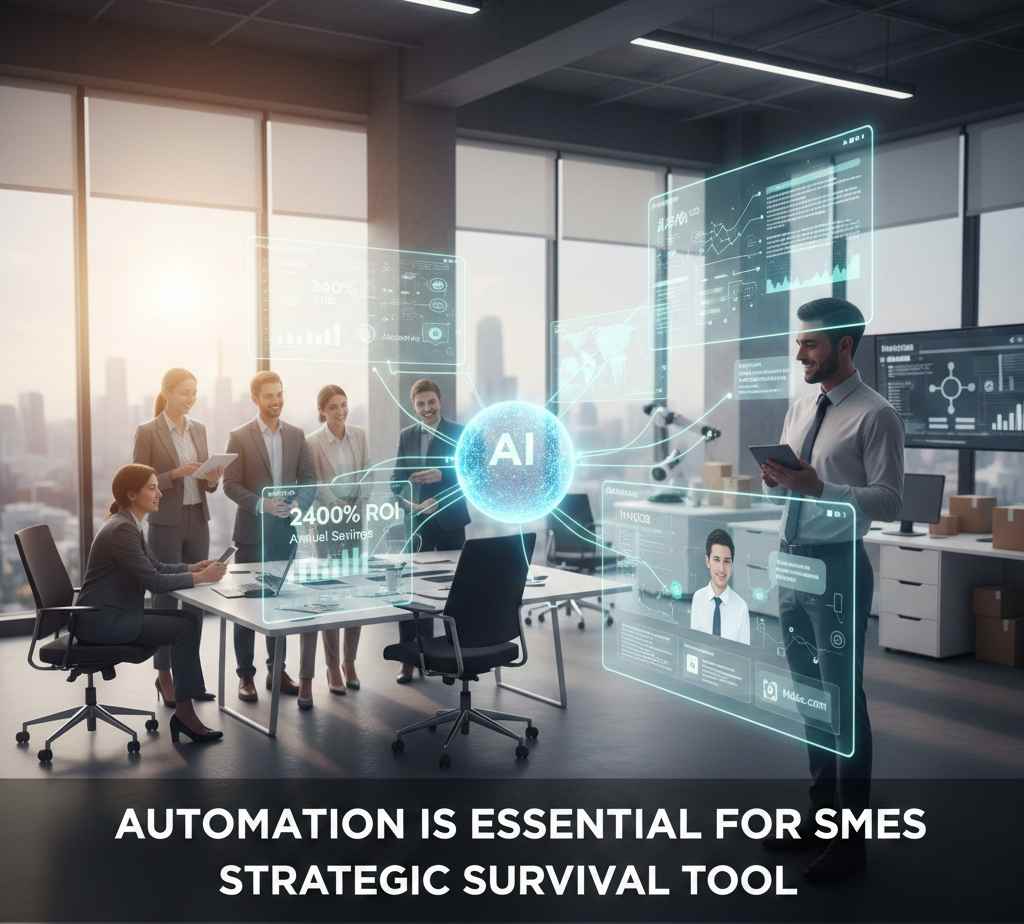
As the business landscape continues to evolve, small and medium-sized enterprises (SMEs) are realizing the power of automation to improve their operations, boost productivity, and stay competitive. Automation allows businesses to streamline routine tasks, improve accuracy, and enable employees to focus on higher-value work. With solutions like Odoo ERP, SMEs can integrate various business functions—such as sales, finance, inventory, and customer relationship management—into one cohesive system, making automation more accessible and effective. For SMEs, automation is no longer a luxury; it’s a critical step toward growth and sustainability, enabling them to scale efficiently while reducing costs and minimizing errors.
Understanding Automation for SMEs
What is Automation for SMEs?
Automation for SMEs refers to the use of technology to perform repetitive and time-consuming tasks without human intervention. It includes everything from managing customer data to processing orders and tracking inventory. By automating these processes, businesses can save time, reduce errors, and operate more efficiently.
Key Types of Automation in SMEs
There are several types of automation that SMEs can use to enhance their business operations.
- Workflow Automation
Workflow automation involves automating the flow of tasks between different departments or individuals in an organization. It can streamline processes like document approval, task delegation, and project management. - Task Automation
Task automation focuses on automating specific tasks, such as sending emails, generating invoices, or updating customer records. These tools ensure that repetitive tasks are completed quickly and accurately. - Customer Relationship Management (CRM) Automation
CRM automation tools like Odoo help SMEs manage customer interactions, track leads, and automate marketing campaigns, all while reducing manual effort.
The Benefits of Automation for SMEs
Streamlining Business Operations
Automation helps streamline business operations, making them more efficient and less prone to human error.
- Reducing Human Error
By automating repetitive tasks, SMEs can significantly reduce the risk of errors that occur due to manual input. This ensures that operations run smoothly and customers receive accurate, timely information. - Improving Productivity
Automation increases productivity by enabling employees to focus on more strategic and creative tasks. With routine tasks handled by automation tools, businesses can achieve higher output with fewer resources.
Saving Time and Reducing Costs
The time and cost savings associated with automation are two of its most significant advantages.
- Automating Routine Tasks
Automation frees up employees from routine tasks such as data entry, invoicing, and follow-up emails. This allows businesses to use their time and resources more effectively. - Better Resource Allocation
By reducing the need for manual labor in routine tasks, SMEs can reallocate resources to areas that drive business growth, such as customer service, sales, or product development.
Improving Decision Making and Strategy
Automation provides SMEs with real-time data and insights, allowing them to make better-informed decisions.
- Data-driven Insights
With automated tools, businesses can collect and analyze data from various sources, helping them make informed decisions about inventory, sales, and customer service. - Real-time Analytics
Automation tools provide real-time analytics, allowing businesses to monitor performance, track key metrics, and make adjustments quickly to stay competitive.
The Role of Odoo in SME Automation
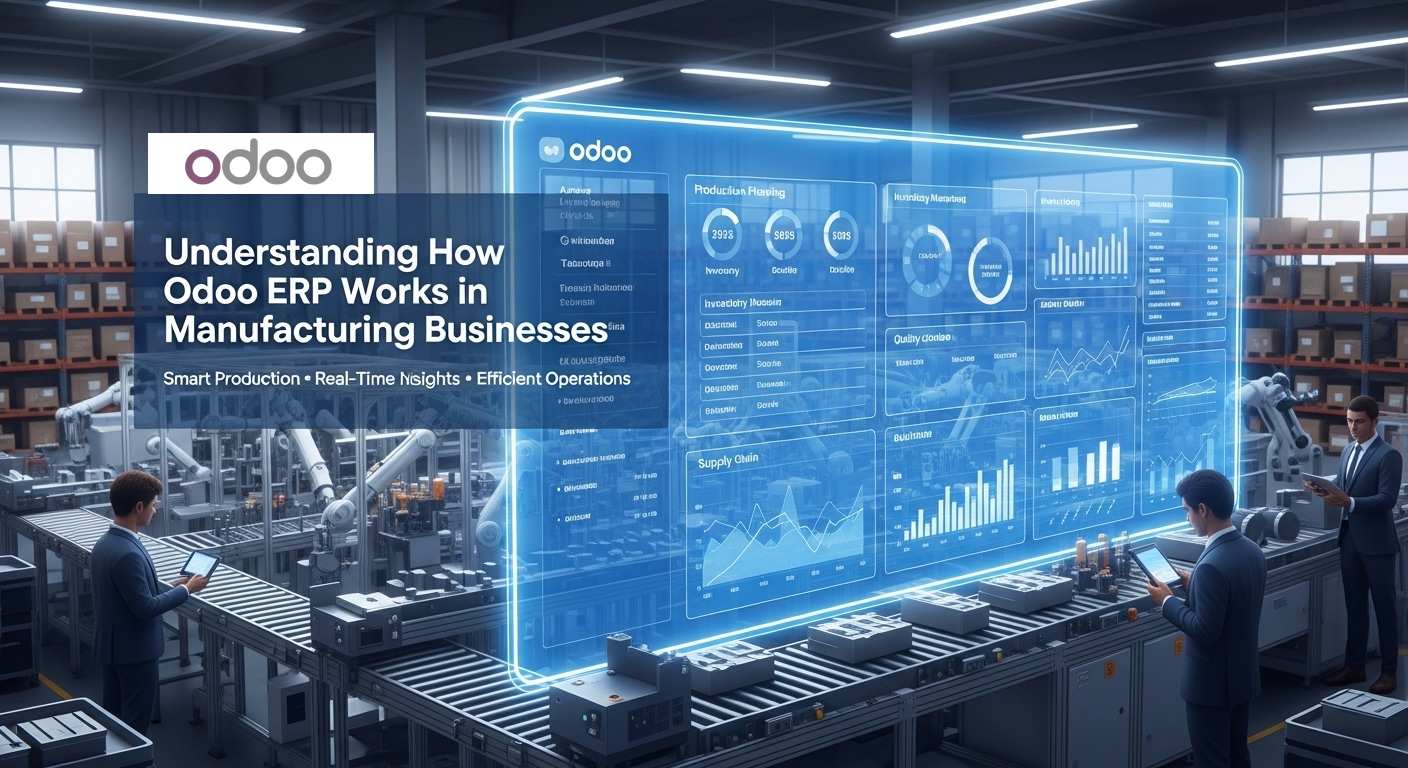
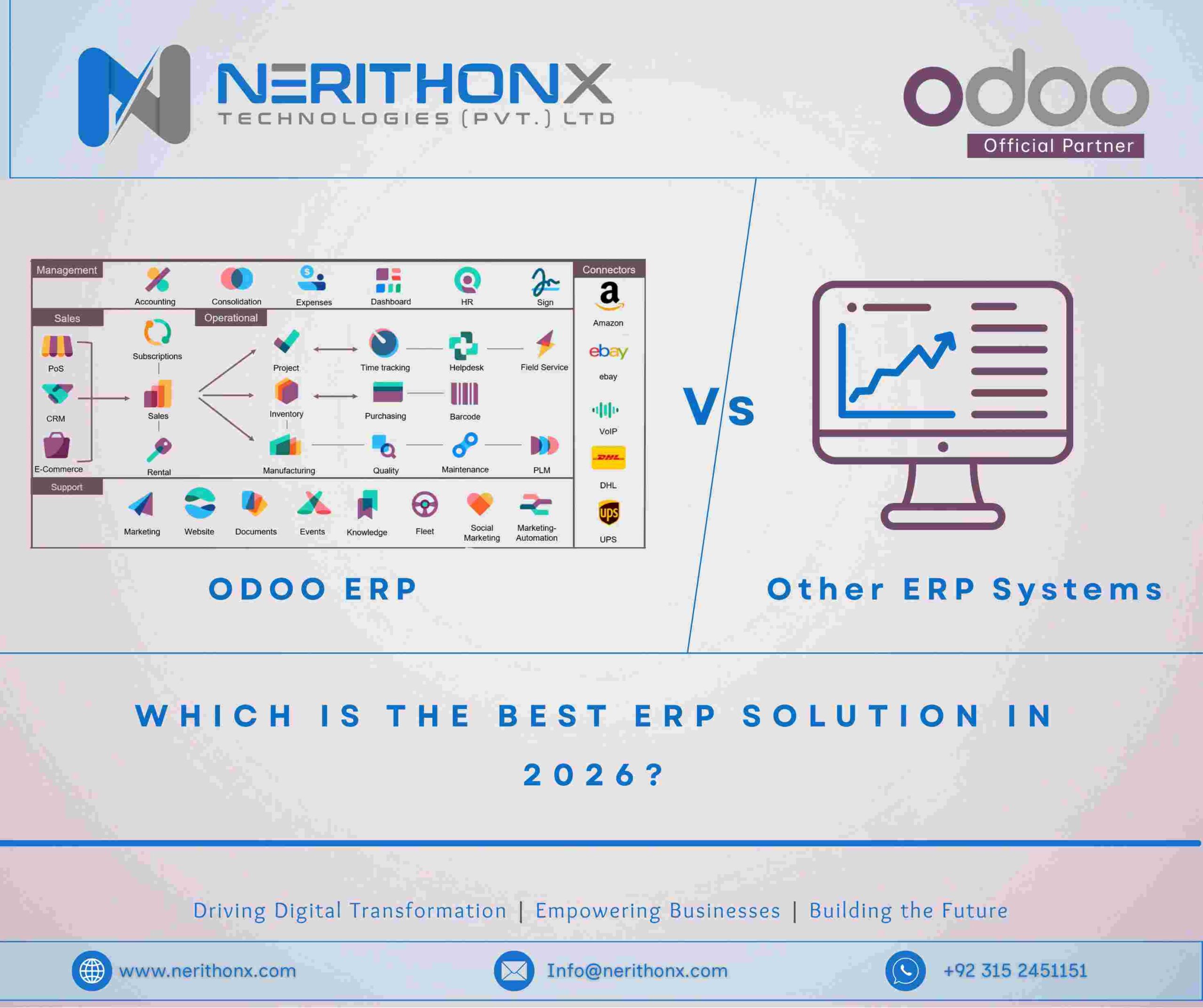
Odoo is an open-source ERP system that has become a go-to solution for SMEs looking to automate their business operations. With its comprehensive suite of tools, Odoo helps businesses manage their finances, sales, inventory, marketing, and more, all from a single platform.
What is Odoo ERP?
Odoo is a fully integrated business management software that offers various modules to automate different aspects of business operations. From accounting and sales to HR and marketing, Odoo provides SMEs with the tools they need to optimize their processes.
Odoo’s Automation Capabilities for SMEs
Odoo’s automation features make it an ideal solution for SMEs looking to streamline their operations.
- Automating Financial Operations
Odoo automates invoicing, payment reminders, and tax calculations, allowing businesses to manage their finances more efficiently. - Sales and Inventory Management Automation
With Odoo, businesses can automate order processing, stock updates, and inventory replenishment, ensuring that products are always available and orders are fulfilled on time. - Marketing and CRM Automation
Odoo’s CRM and marketing automation tools help businesses track leads, automate marketing campaigns, and enhance customer relationships. - HR and Employee Management Automation
Odoo also offers HR automation tools, including employee leave management, payroll processing, and performance tracking.
Choosing the Right Automation Tools for SMEs
When selecting automation tools, SMEs need to consider factors such as scalability, ease of use, and integration capabilities.
Factors to Consider When Choosing Automation Tools
- Scalability
The automation tools chosen should be able to grow with the business. As the business expands, the tools must be able to handle increased workloads and processes. - Customizability
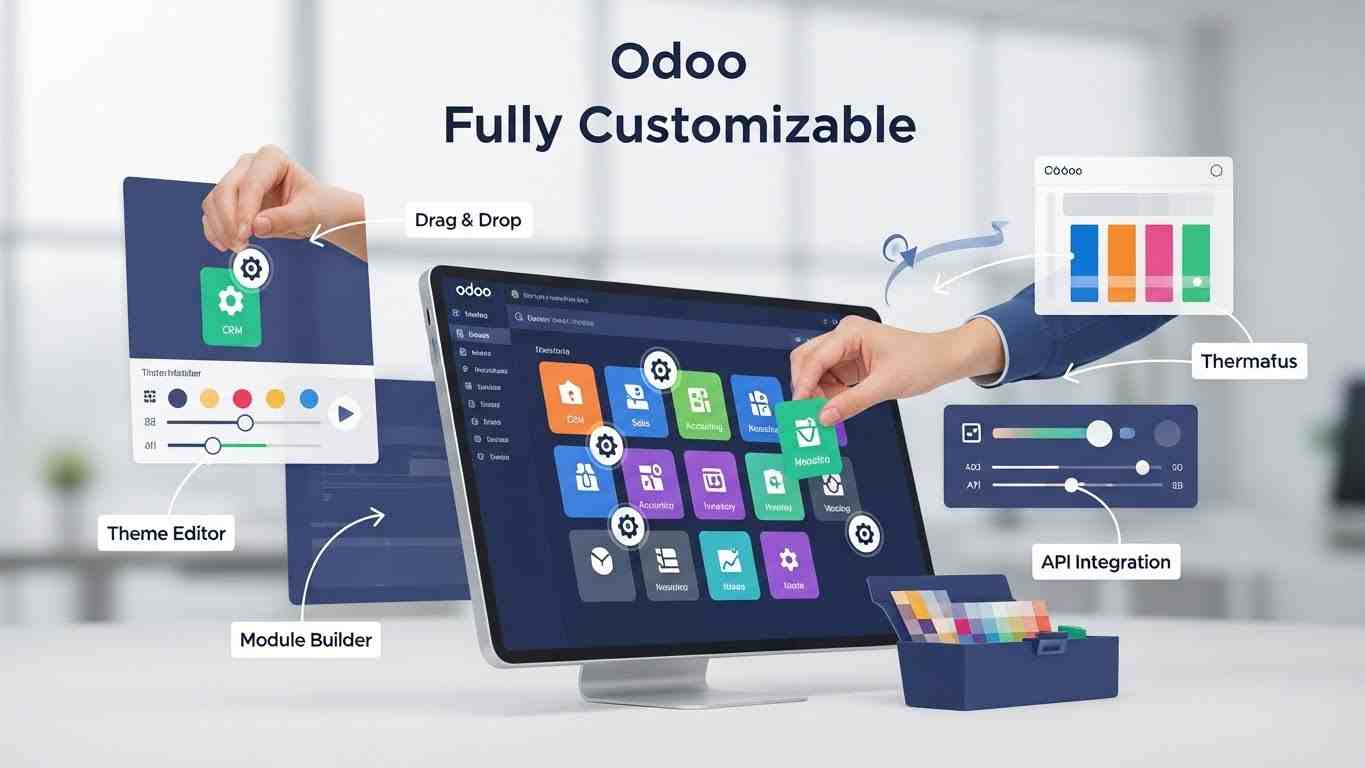
SMEs should look for automation tools that can be tailored to their specific needs and business processes.
Integrating Automation with Existing Systems
For maximum efficiency, automation tools should integrate seamlessly with existing systems such as CRM, ERP, and inventory management tools.
- Cloud-based Solutions
Cloud-based automation solutions offer scalability and flexibility, making them a great choice for SMEs looking to grow without worrying about infrastructure. - Integration with CRM, ERP, and Other Tools
When selecting automation tools, SMEs should ensure that they can integrate with other systems already in use, such as Odoo’s modules, to ensure smooth data flow.
The Future of Automation for SMEs
As technology continues to advance, the future of automation for SMEs looks promising.
Emerging Trends in Automation
AI and machine learning are set to play an increasingly important role in automating business processes. These technologies will make automation tools even smarter and more intuitive.
How SMEs Can Prepare for Automation’s Growth
SMEs should begin embracing automation today to stay ahead of the curve. By adopting the right tools and staying up-to-date with the latest trends, businesses can ensure their success in the future.
FAQS
How can Odoo ERP help automate financial management for small businesses?
Odoo ERP simplifies financial management for small businesses by automating tasks like invoicing, expense tracking, and tax calculations. Its accounting module integrates seamlessly with other systems, allowing SMEs to generate financial reports, reconcile bank statements, and manage budgets with minimal manual intervention. Automation in Odoo’s financial management reduces human error and ensures accuracy in reporting, making it easier to comply with industry standards and regulations.
What are the most useful Odoo modules for automating daily operations in SMEs?
Odoo offers several modules that are invaluable for SMEs aiming to automate their daily operations. Key modules include:
- Sales Management for automating order processing, quotations, and customer invoicing.
- Inventory Management to automatically track stock levels, manage replenishment, and automate order fulfillment.
- CRM for automating lead generation, customer communications, and sales pipeline management.
- HR Management to handle payroll, employee leave, and performance tracking, all automated via Odoo’s Human Resources module.
These modules work together to streamline various aspects of business, improving efficiency across departments.
Can Odoo integrate with other third-party tools to automate marketing campaigns?
Yes, Odoo can integrate with numerous third-party tools to automate marketing campaigns. For example, it can connect with email marketing tools like Mailchimp, social media platforms, and other CRM software, allowing businesses to automate email sequences, social media posts, and ad targeting. By integrating these tools, Odoo’s Marketing Automation features help SMEs run campaigns seamlessly, track results in real-time, and optimize future marketing efforts using data-driven insights.
What are the key benefits of automating inventory management with Odoo?
Automating inventory management with Odoo’s Inventory module offers several key benefits for SMEs:
- Real-time tracking of stock levels, reducing the risk of overstocking or stockouts.
- Automated reordering of stock based on predefined thresholds, ensuring businesses never run out of essential items.
- Barcode scanning to streamline inventory updates and reduce errors.
- Improved reporting to provide valuable insights into inventory performance, helping SMEs optimize their supply chain and manage costs effectively.
How does Odoo help automate customer relationship management (CRM) for SMEs?
Odoo’s CRM module is designed to help SMEs automate key aspects of customer relationship management. With Odoo, businesses can:
- Automatically capture lead information from websites, emails, or social media.
- Track customer interactions and send automated follow-up emails or reminders for important tasks like meetings or calls.
- Use data-driven insights to segment customers, personalize communication, and improve sales conversion rates.
By automating these CRM processes, SMEs save time and focus on nurturing valuable customer relationships.
6. What are the best practices for automating human resources tasks with Odoo in small businesses?
To automate HR management effectively with Odoo, SMEs should:
- Use the Employee module to manage employee profiles, track time-off requests, and maintain up-to-date payroll data.
- Automate payroll processing by integrating it with Odoo’s accounting features to ensure accurate salary calculations and timely payments.
- Implement leave management automation to streamline the approval process for vacations, sick days, and other absences.
- Set up performance review automation, allowing managers to set goals, track progress, and automatically generate performance reports.
These practices not only save time but also enhance HR efficiency and employee satisfaction.
How can Odoo’s sales automation features improve order processing and customer service?
Odoo’s Sales module automates order processing by streamlining activities such as creating quotes, converting them into sales orders, and generating invoices automatically. The customer portal also allows customers to track their orders in real-time, reducing the need for manual updates. Additionally, Odoo CRM integrates seamlessly with sales data, providing sales teams with up-to-date information on customer needs and preferences, ultimately improving customer service and satisfaction.
What steps do SMEs need to take to successfully implement Odoo for automation?
To successfully implement Odoo ERP for automation, SMEs should:
- Assess business needs: Identify the key areas where automation can provide the most value (e.g., sales, inventory, HR).
- Select the right Odoo modules: Based on the business’s specific requirements, choose the appropriate modules (Sales, Inventory, Accounting, HR, etc.).
- Set up integrations: Ensure Odoo integrates smoothly with existing systems such as CRM, payment gateways, or marketing tools.
- Train employees: Provide training for staff to ensure they are comfortable using Odoo’s features.
- Monitor and optimize: Continuously monitor the performance of automated processes and optimize workflows for better efficiency.
How does Odoo’s workflow automation save time and reduce errors in small businesses?
Odoo’s Workflow Automation features help SMEs save time and reduce errors by automating routine tasks. For example, the system can automatically route approval requests to the appropriate team members, generate reports at set intervals, and send automatic notifications when a task is completed. By reducing the need for manual intervention, Odoo ensures that tasks are completed faster, more accurately, and with fewer human errors.
What is the cost of automating business processes with Odoo ERP for SMEs?
The cost of automating business processes with Odoo ERP varies depending on the size of the business, the number of modules needed, and whether the company opts for Odoo Cloud or on-premise deployment. Odoo offers flexible pricing, with options ranging from free community versions to paid enterprise plans that provide additional features and support. Typically, SMEs can expect to pay for Odoo implementation services, customization, and ongoing maintenance, which makes it a cost-effective solution for businesses looking to scale.